
Potassium Sulphate - Indonesia CAS: 7778-80-5

In 2026 the crop protection chemicals market sits at a pivotal junction, with China’s control over active ingredient production and the European Union’s pending anti‑dumping rulings shaping the future of herbicides, fungicides and insecticides. This article examines the implications for pricing, supply chains and strategic sourcing across the agrochemical industry.
China’s expanding domestic petrochemical capacity helped replace Gulf PTA and paraxylene supply during recent disruptions. As Gulf exports begin returning, PTA buyers need to assess how new competition could affect pricing and sourcing strategies.

The record 16 million barrel Strait of Hormuz transit on June 21, 2026 has created a new market signal for petrochemical buyers watching supply recovery timelines. This analysis explains when MEG, PTA, methanol and polymer feedstock availability could improve across major import markets.
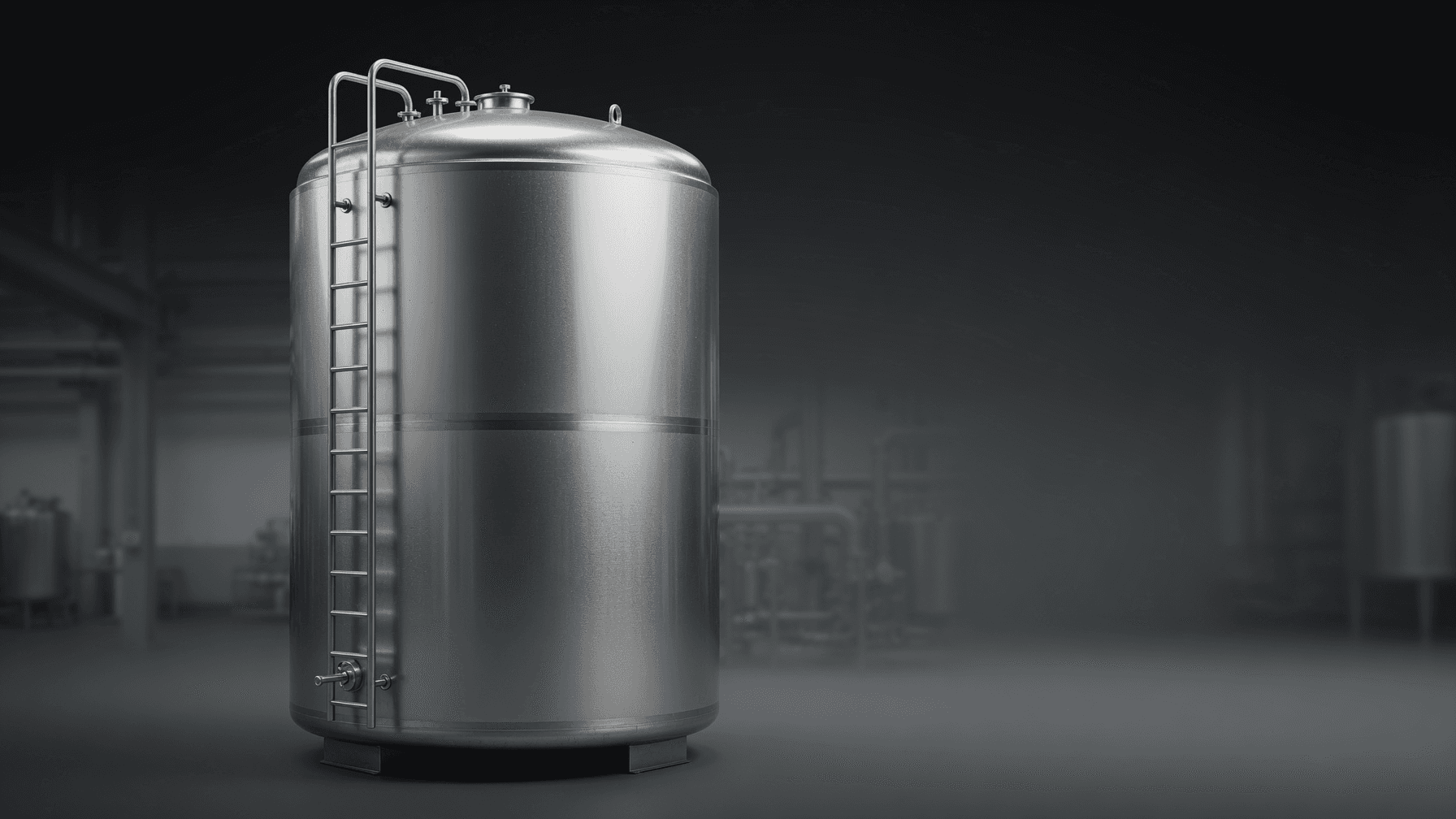
Industrial ethanol demand is recovering across pharmaceutical, cosmetics and sanitation sectors in 2026, while fuel blending policies create new uncertainty. Buyers must track specification differences, regional supply trends and policy changes when planning ethanol procurement.

By 2026, China will dominate 80% of the global ascorbic acid market, reshaping pharmaceutical, food, and cosmetic supply chains. This shift brings pricing volatility, geopolitical risks, and new sourcing strategies for buyers worldwide.

In 2026, the mining chemicals market pivots on copper, nickel, lithium and gold, with sulfuric acid shortages reshaping supplier dynamics. Buyers must secure dual‑source reagents, lock polyacrylamide contracts and monitor geopolitics in Indonesia and Guinea to stay ahead of supply disruptions.
We're committed to your privacy. Tradeasia uses the information you provide to us to contact you about our relevant content, products, and services. For more information, check out our privacy policy.