
Related Insights
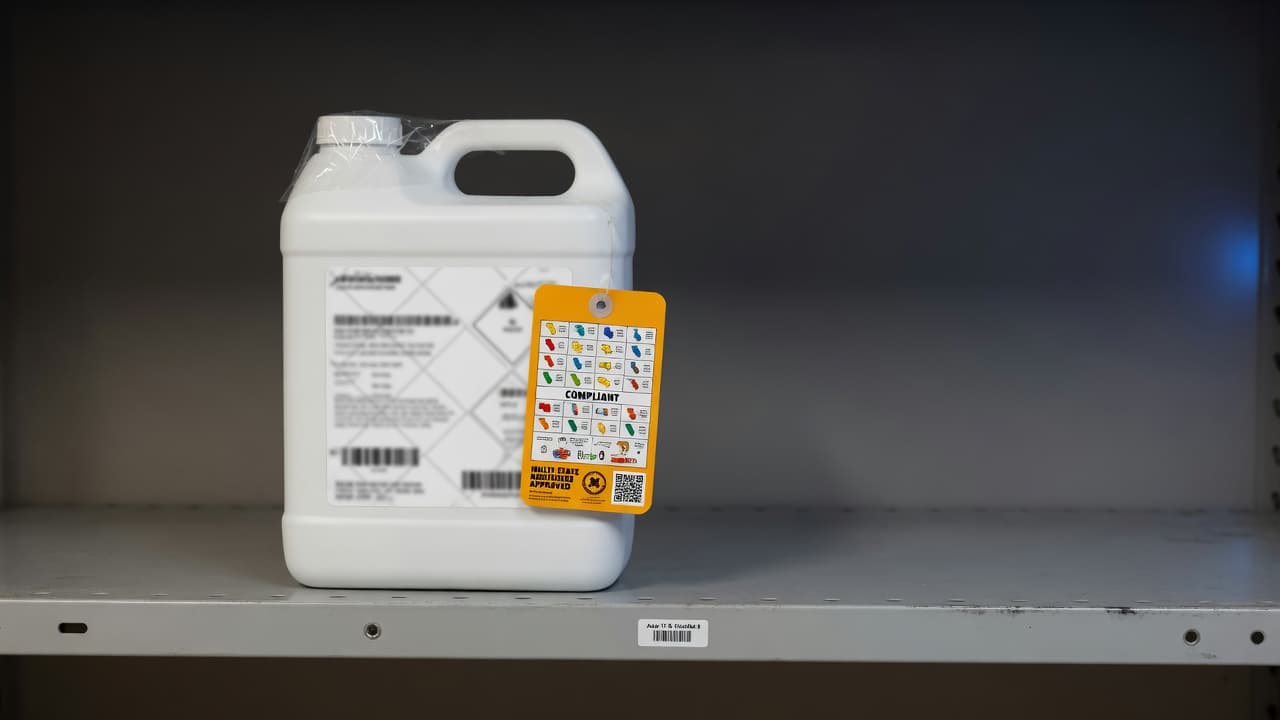
State PFAS Laws and the Federal Patchwork: What Multi-State Chemical Companies Must Manage
State PFAS regulations continue to evolve across the United States, creating new compliance challenges for manufacturers, distributors and procurement teams. This guide explains how differing state requirements affect companies selling PFAS-containing products across multiple markets.

Qatar Chemical Watch: Diplomatic Ambiguity & Energy Resilience
Qatar sits at the crossroads of geopolitical uncertainty and commercial strain as US‑Iran talks stall and LNG disruptions persist. Chemical buyers now question whether QatarEnergy can honour investment plans and restore export flows while QAFCO navigates force majeure timelines. The outcome will reshape ammonia, urea, and fertilizer pricing across Asia.

PE, PP, PVC: How the Return of Gulf Polymer Supply Changes the Q3 2026 Market
The return of Gulf polymer exports is reshaping global procurement strategies for PE, PP and PVC in Q3 2026. With Gulf, US and Chinese suppliers competing once again, buyers have a rare opportunity to compare multiple origins, negotiate better pricing and strengthen supply security.
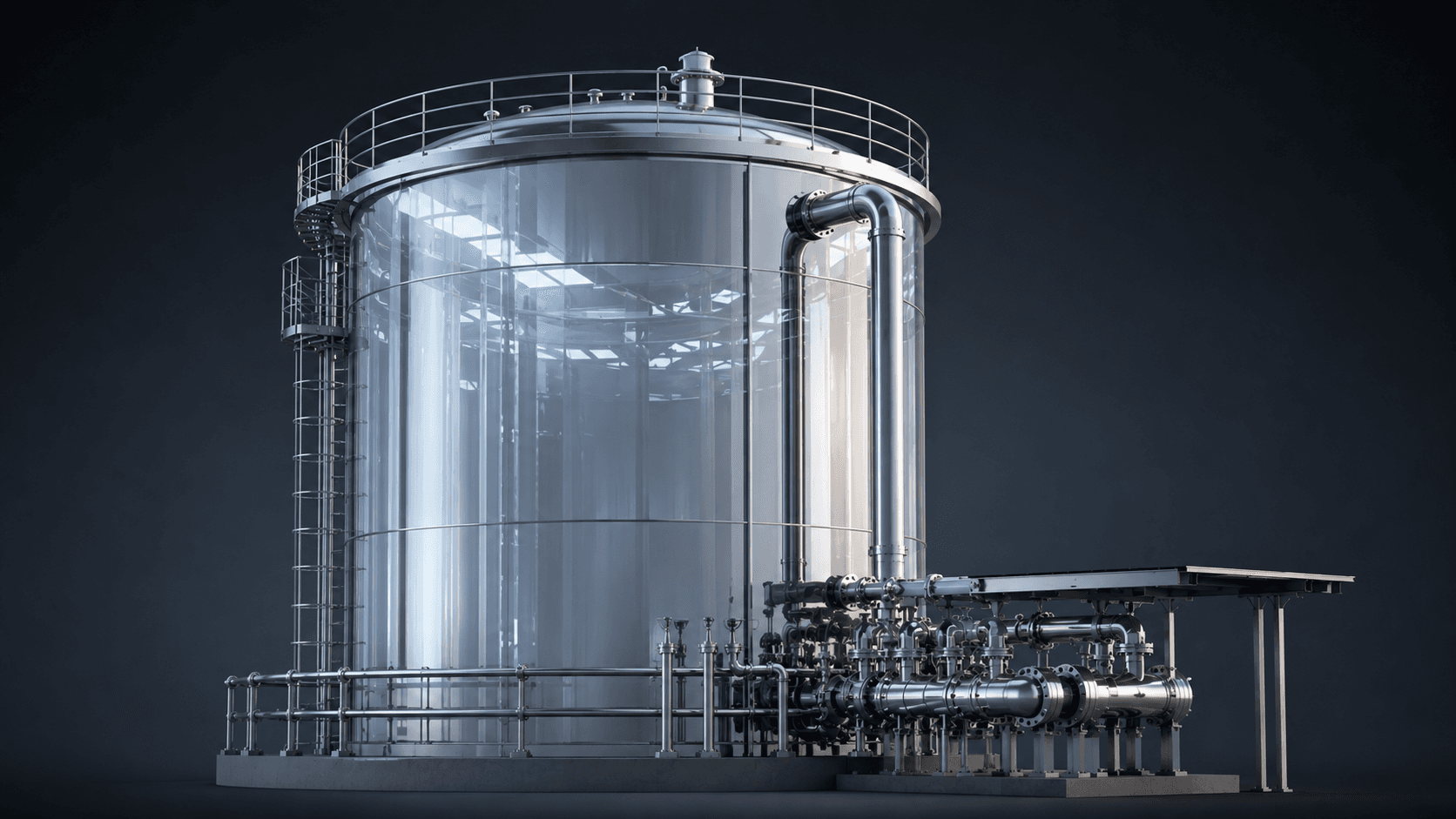
Hydrogen Peroxide Electronic Grade Supply Tightening Continues Despite Lower Oil Prices and Hormuz Concerns
Electronic-grade hydrogen peroxide remains one of the tightest specialty chemical markets in 2026. Semiconductor expansion across Asia continues to absorb available supply, while European production constraints limit market flexibility. Procurement teams face a structurally tight market that shows little connection to Middle East shipping developments.

Iran Chemical Watch: 85% of Petrochemical Capacity Destroyed in 2026
In 2026, Iran’s petrochemical industry suffered a catastrophic 85% loss of production capacity due to sanctions and internal conflicts. The collapse threatens global methanol supply, disrupts Middle East petrochemicals, and forces exporters to seek new markets. Read on for a deep dive into reconstruction challenges and supply chain implications.
Ethanol Market Outlook 2026: Australian Energy Disruptions Raise Supply Cost Concerns
The ethanol market is monitoring Australian energy disruptions as Ichthys LNG industrial action creates uncertainty across regional feedstock and energy markets. Buyers are assessing how energy costs, supply stability and production conditions may influence ethanol pricing through H2 2026.
Don't miss out on our updates! Subscribe to our newsletter now
We're committed to your privacy. Tradeasia uses the information you provide to us to contact you about our relevant content, products, and services. For more information, check out our privacy policy.