

Related Insights

Rising Freight Costs Tighten Break‑Even Lines for Farmers
As freight and logistics rates climb, farmers find their break‑even points shrinking, forcing reevaluation of fertilizer purchases and supply chain strategies. This article explores how transport shocks ripple through farm economics, input costs, and overall profitability.
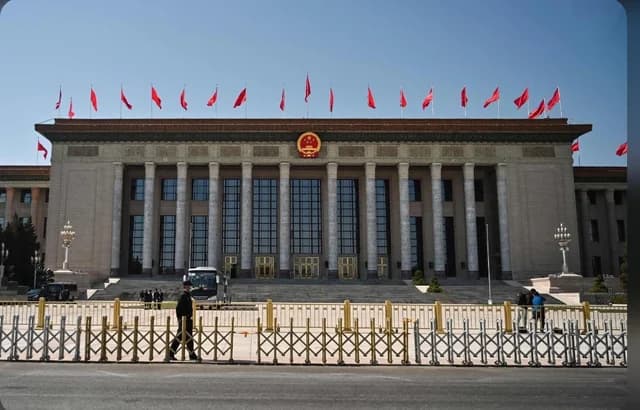
Congressional Oversight and Chemical Trade: Why Escalating Security Risks Matter for Compliance Teams
Escalating geopolitical developments are increasing attention on congressional oversight and the potential for new policy actions. Chemical companies should monitor legislative developments that could influence sanctions, trade regulations and supply chain compliance.

China's Aromatics and Alcohol Price Surge: Understanding the July 1 Petrochemical Repricing Wave
Chinese refining and chemical producers sharply increased price quotations for aromatics and alcohols on July 1, 2026, creating fresh challenges for downstream manufacturers and procurement teams. Buyers should understand what triggered the repricing wave and how it may influence future sourcing strategies.
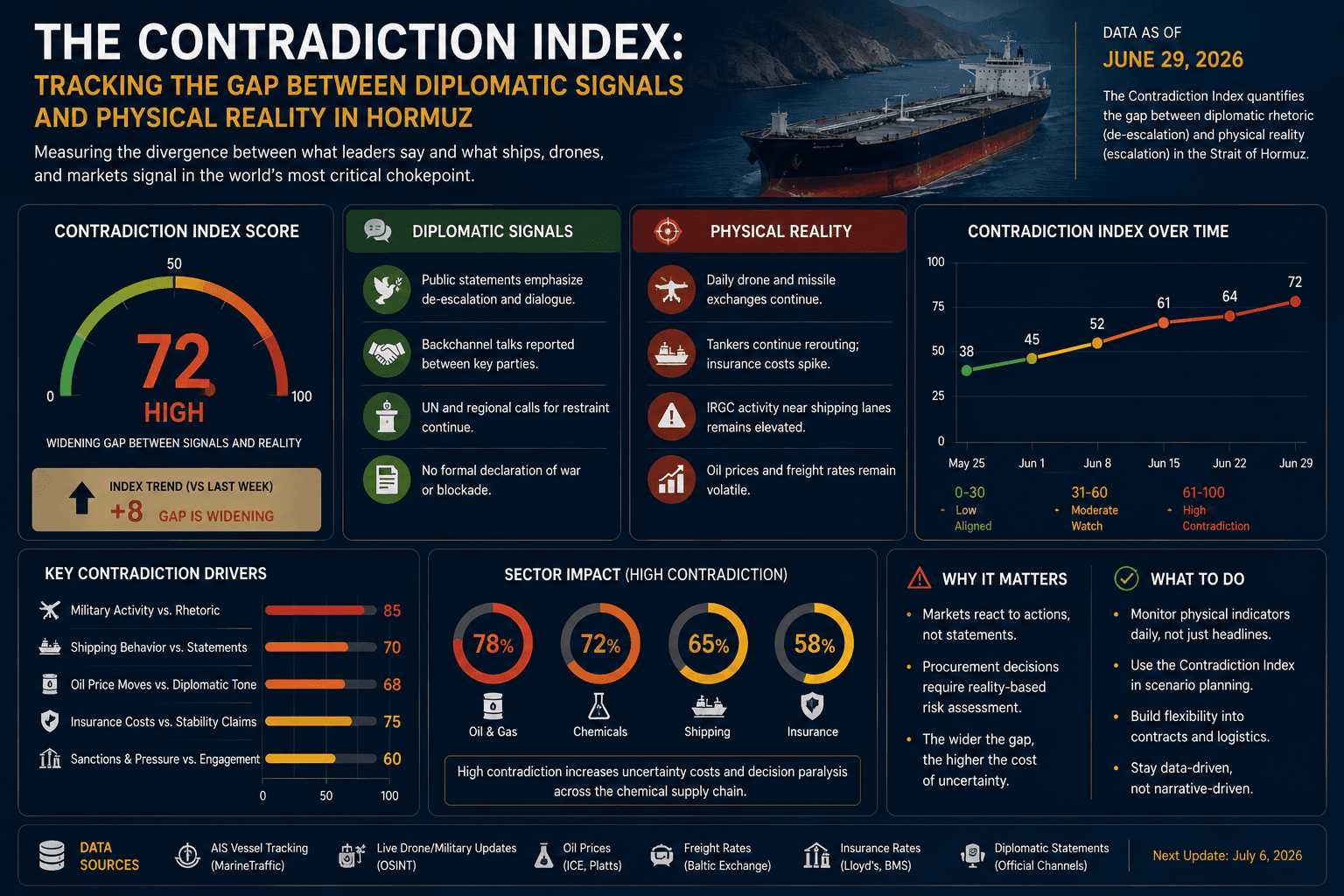
The Contradiction Index: Tracking the Gap Between Diplomatic Signals and Physical Reality in Hormuz
July 1 reveals the biggest contradiction of the Hormuz crisis so far: diplomacy suggests progress, but physical shipping data shows continued disruption. For chemical procurement professionals, understanding the gap between political signals and operational reality has become essential for making correct supply chain decisions.
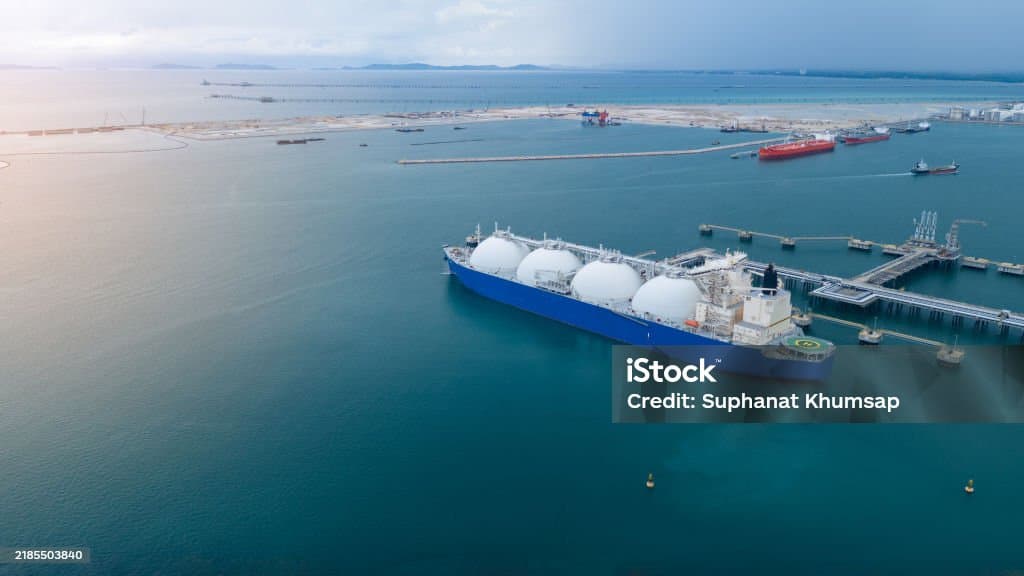
MSG Mid‑Year Supply Reset: How Fufeng and Meihua’s H2 2026 Pricing Could Shape Global Procurement
MSG pricing is set for a pivotal shift as Chinese producers Fufeng Group and Meihua Holdings release their H2 2026 contracts. With stable corn costs and easing freight rates, the new price points could redefine global food ingredient procurement. This article explores the strategic moves of these key players and the competitive implications for buyers worldwide.

TITLE: India Duty Waiver Expiry June 30: What the Tariff Reversal Means for Fertilizer and Agrochemical Imports
India's emergency customs duty waiver on key chemical and petrochemical imports ends on June 30, 2026. The policy reversal could raise input costs for agrochemical manufacturers and fertilizer blenders, making Q3 procurement planning more critical than ever.
Don't miss out on our updates! Subscribe to our newsletter now
We're committed to your privacy. Tradeasia uses the information you provide to us to contact you about our relevant content, products, and services. For more information, check out our privacy policy.