
Glycerin Pharmaceutical Grade: Escort Convoy and the Palm Versus Petrochemical Origin Decision
Introduction
Pharmaceutical-grade glycerin is one of the most widely used excipients in the healthcare industry. It serves as a key ingredient in oral syrups, injectable formulations, topical creams, capsules, and numerous personal care products. As global pharmaceutical production continues to expand, manufacturers are placing greater emphasis on securing reliable, high-quality glycerin supplies while managing logistics risks and sustainability considerations.
In periods of geopolitical uncertainty or maritime security concerns, shipments may be rerouted or organized into escorted convoys to ensure safer transit through high-risk regions. At the same time, procurement teams often evaluate whether to source glycerin derived from palm-based feedstocks or petrochemical processes, balancing cost, quality, sustainability, and supply chain resilience. Understanding these factors is essential for making informed sourcing decisions.
What Is Pharmaceutical-Grade Glycerin?
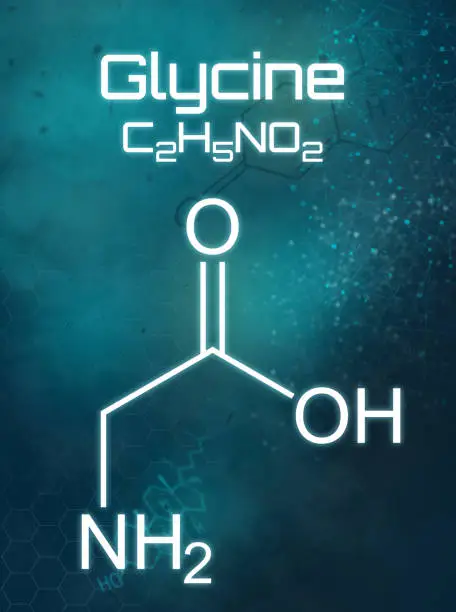
Pharmaceutical-grade glycerin, also known as glycerol, is a highly purified substance that meets strict pharmacopeial standards for use in medicines and healthcare products.
Its primary applications include:
Oral syrups and liquid medicines.
Soft gelatin capsules.
Injectable pharmaceutical formulations.
Topical creams and ointments.
Oral care products.
Medical and personal care products.
Because glycerin comes into direct contact with patients, manufacturers must ensure it complies with rigorous quality, purity, and regulatory requirements.
Palm-Based vs. Petrochemical Glycerin
Pharmaceutical glycerin can originate from different manufacturing processes, with the two most common sources being palm-derived feedstocks and petrochemical synthesis.
Palm-Based Glycerin
Palm-derived glycerin is produced as a by-product of vegetable oil refining and biodiesel manufacturing.
Advantages include:
Renewable raw material source.
Widely available in global markets.
Established production capacity.
Supports growing demand for bio-based ingredients.
Considerations:
Availability may be influenced by palm oil production and agricultural conditions.
Buyers may require sustainability certifications depending on corporate procurement policies.
Petrochemical-Derived Glycerin
Petrochemical glycerin is manufactured through synthetic chemical processes using petroleum-based feedstocks.
Advantages include:
Consistent industrial production.
Stable product quality.
Less dependent on agricultural harvest cycles.
Considerations:
Relies on fossil-based raw materials.
Production costs may fluctuate with changes in energy and petrochemical markets.
For pharmaceutical applications, both sources can produce high-quality glycerin when manufactured according to applicable pharmacopeial and regulatory standards.
How Escort Convoys Affect Pharmaceutical Supply Chains
In regions experiencing maritime security challenges, commercial vessels may travel as part of escorted convoys organized by naval or maritime authorities.
While pharmaceutical glycerin is generally transported in approved bulk containers, tank containers, or packaged cargo—not because of its origin but according to logistics requirements—convoy operations can influence shipment schedules.
Potential effects include:
Extended Transit Times
Waiting for scheduled convoy departures may increase delivery lead times.
Higher Logistics Costs
Additional security measures and route adjustments can increase transportation expenses.
Inventory Planning Challenges
Longer shipping schedules require more accurate demand forecasting and safety stock planning.
Greater Supply Chain Visibility
Close coordination with logistics providers helps procurement teams anticipate delays and maintain delivery commitments.
Procurement Considerations
Choosing between palm-based and petrochemical glycerin requires evaluating multiple business factors rather than focusing solely on price.
Key considerations include:
Product Quality
Ensure glycerin meets pharmacopeial specifications such as USP, EP, or other applicable quality standards.
Supply Reliability
Assess supplier production capacity, historical delivery performance, and geographic diversification.
Sustainability Goals
Organizations with environmental commitments may prefer responsibly sourced renewable feedstocks supported by recognized sustainability certifications.
Total Landed Cost
Consider freight, insurance, customs duties, storage, and logistics expenses alongside purchase price.
Regulatory Compliance
Verify documentation, traceability, and quality certifications before approving suppliers.
Future Outlook
Demand for pharmaceutical-grade glycerin is expected to continue growing alongside expanding production of medicines, biologics, and personal healthcare products. Manufacturers are increasingly investing in diversified sourcing strategies, digital supply chain monitoring, and sustainable procurement practices to reduce operational risk.
As global logistics remain subject to evolving geopolitical and transportation challenges, companies with flexible sourcing strategies and strong supplier partnerships will be better positioned to maintain consistent production.
Conclusion
Pharmaceutical-grade glycerin remains an essential ingredient across numerous healthcare applications. Whether sourced from palm-based or petrochemical feedstocks, procurement decisions should be based on quality, regulatory compliance, supply reliability, sustainability objectives, and total landed cost rather than raw material origin alone.
Although escorted maritime convoys may temporarily influence transportation schedules in certain regions, resilient procurement strategies—including supplier diversification, proactive logistics planning, and continuous supply chain monitoring—will help pharmaceutical manufacturers maintain uninterrupted access to this critical excipient.
Monosodium Glutamate (E621) CAS: 6106-04-3