

Alpha Pinene 95% - Spain CAS: 80-56-8
Related Insights
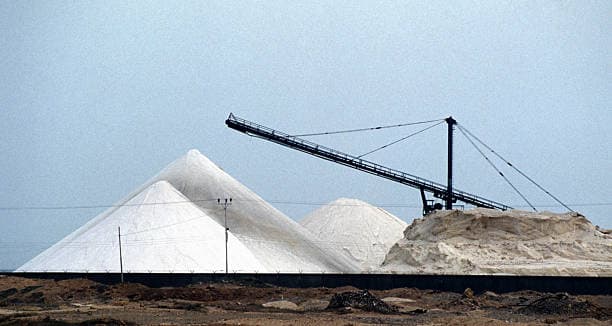
China’s Phosphate Export Halt Extends Trade Friction Into August
China’s ongoing ban on phosphate exports pushes global fertilizer markets into uncertainty, tightening DAP and MAP supplies, reshaping shipping routes, and forcing buyers to rethink procurement strategies. The ripple effect underscores the fragility of the agricultural input supply chain.

Trump's Hormuz Toll Reversal: Why Rapid Policy Changes Matter for Chemical Compliance Teams
The withdrawal of the proposed 20% Hormuz cargo fee only days after it was announced highlights how quickly trade policy can change. Chemical procurement and compliance teams should document policy shifts and maintain flexible compliance processes to reduce operational risk.

US Potash Risk: Why Canadian Tariff Exposure Still Worries Buyers Despite No Direct Restrictions
Canadian potash tariff uncertainty continues to shape U.S. buyers’ procurement decisions and pricing expectations, even though no formal trade barriers have been imposed. This article explores the lingering risk, its impact on supply chains, and strategic responses adopted by the industry.

SABIC’s Q3 Supply Calendar: Saudi Export Strategy Sets Global Chemical Prices
SABIC’s Q3 supply calendar has emerged as a key indicator for polymer and chemical flows worldwide, with Ras Tanura’s logistics network playing a pivotal role. The company’s allocation decisions influence pricing, inventory levels, and competitive dynamics across major export markets.
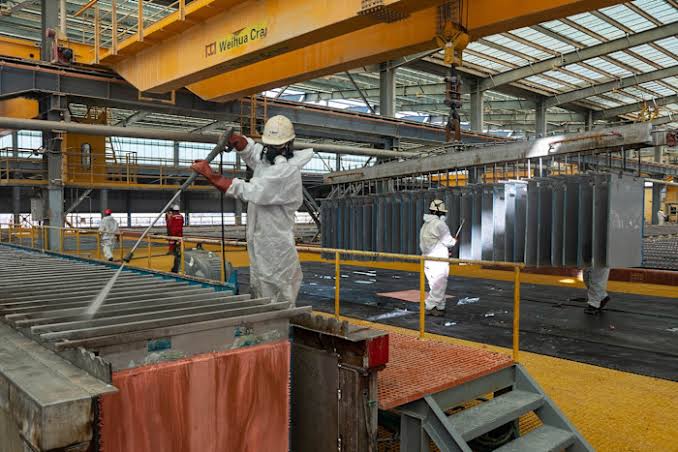
Sulfur Supply Recovery: Gulf Refinery By-Product and the 45% Global Share That Was Offline
The Hormuz crisis disrupted nearly 45% of global sulfur supply as Gulf refinery by-product exports collapsed for months. With vessel movement now improving, sulfur and sulfuric acid buyers may finally see the first meaningful cost relief in August after one of 2026’s most overlooked supply chain disruptions.
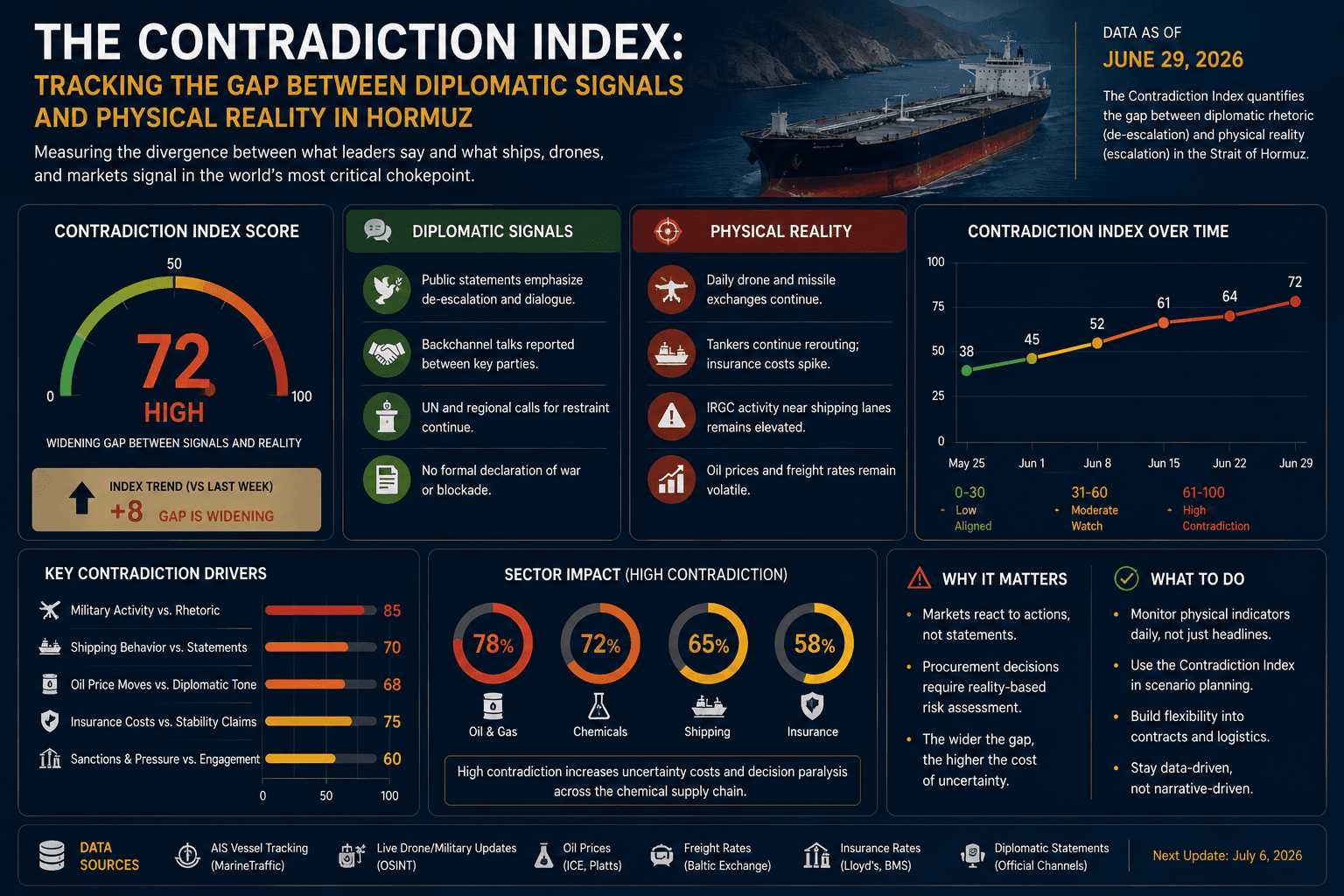
The Contradiction Index: Tracking the Gap Between Diplomatic Signals and Physical Reality in Hormuz
July 1 reveals the biggest contradiction of the Hormuz crisis so far: diplomacy suggests progress, but physical shipping data shows continued disruption. For chemical procurement professionals, understanding the gap between political signals and operational reality has become essential for making correct supply chain decisions.
Don't miss out on our updates! Subscribe to our newsletter now
We're committed to your privacy. Tradeasia uses the information you provide to us to contact you about our relevant content, products, and services. For more information, check out our privacy policy.