
Asian Raw Material Shortages Continue Reshaping Regional Petrochemical Trade Balance
Persistent shortages of key raw materials originating from the Middle East are continuing to limit petrochemical output across Asia, according to second-quarter 2026 earnings commentary and industry analyses. The resulting supply tightness has redirected trade flows and pricing power toward producers in North America and Europe that retain available capacity and more secure feedstock access.
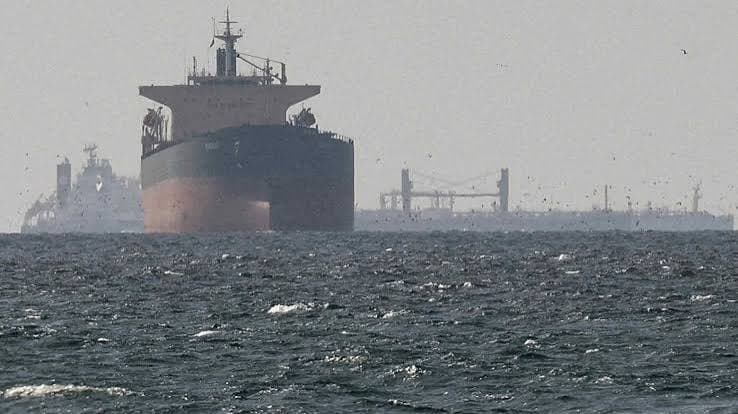
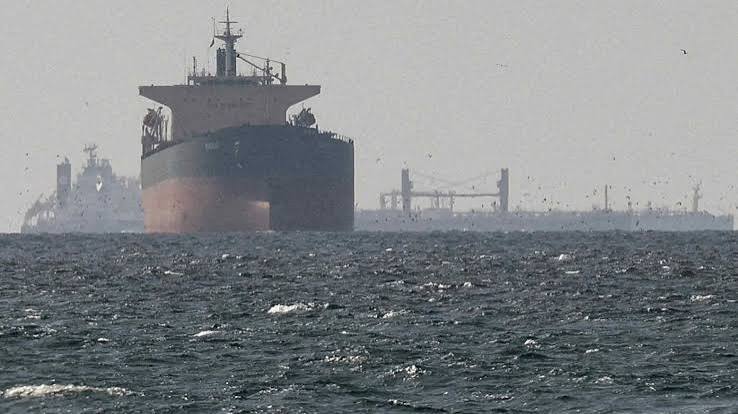
Asia accounts for more than half of global olefins and polyolefins production and relies heavily on energy and feedstock shipments that normally transit the Strait of Hormuz. Prolonged restrictions on that waterway, combined with physical damage to some Middle Eastern production assets, sharply reduced the availability of naphtha, liquefied petroleum gas and other inputs. Several Asian plants declared force majeure or operated at reduced rates as feedstock supplies tightened, amplifying an already constrained market.
Western Producers Capture the Reallocation
The same conditions that squeezed Asian operating rates supported stronger results for major Western chemical companies. BASF, Dow and LyondellBasell all reported double-digit sales growth or sharp earnings increases in the second quarter, driven largely by higher prices for polyethylene and related products. With traditional low-cost material from the Gulf less available, buyers turned to alternative origins, allowing European and U.S. Gulf Coast producers to raise realizations and, in many cases, improve plant utilization.
Industry observers have noted that the effective reduction in Middle Eastern supply—estimated in some cases at several million tonnes of polyethylene capacity alone—created a temporary global deficit after years of oversupply. Asian producers dependent on oil-based feedstocks faced the dual challenge of higher input costs and physical scarcity, while integrated Western operators with diversified feedstock options or domestic resource advantages were better positioned to respond.
Implications for Ongoing Trade Patterns
The rebalancing is not purely temporary. Even as shipping through the Strait of Hormuz gradually improves, damaged Middle Eastern assets are expected to remain offline or at reduced rates into 2027. This structural element prolongs the period during which Asian production remains constrained relative to demand and Western producers continue to fill incremental needs.
For global petrochemical trade, the shift underscores the vulnerability of concentrated feedstock corridors and the competitive advantage of geographic and feedstock diversification. Buyers are increasingly evaluating multi-regional supply strategies, while producers outside Asia and the Middle East are capturing both volume and margin opportunities created by the ongoing shortage. The second-quarter earnings cycle has made the redirection of trade balances clearly visible; its duration will depend on the pace of Middle Eastern recovery relative to underlying demand growth.
Ammonium Sulphate - China CAS: 7783-20-2