China Chemical Watch: Record Hormuz Transit Signals Export Competition Returns — How Chinese Producers Will Respond
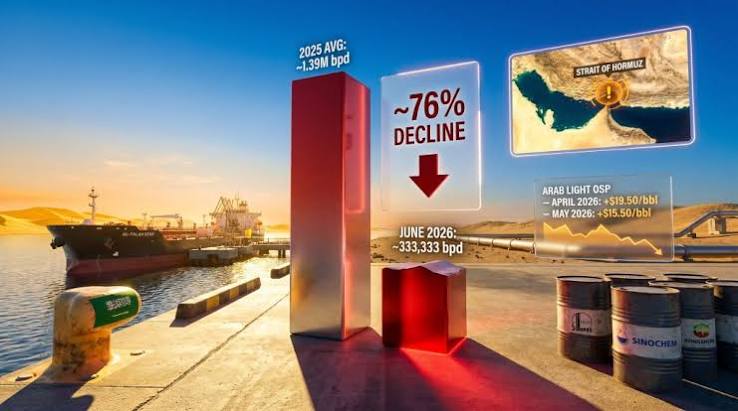
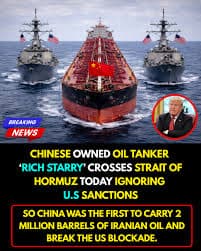
The Strait of Hormuz is once again becoming the world’s most important pressure valve for global energy and petrochemical trade. After months of disruption caused by conflict in the Middle East, recent reports of record and steadily rising tanker transits through Hormuz signal that shipping lanes are reopening and supply chains are normalizing. This shift is not just about crude oil—it directly resets competition in the global chemical and petrochemical export market, where China plays a central role.
For Chinese chemical producers, this moment is both an opportunity and a challenge: export competition is returning fast, margins are tightening, and global buyers are rebalancing sourcing strategies.
1. Hormuz Reopening: Why It Matters for Chemicals
The Strait of Hormuz is not only an oil corridor—it is also a critical route for naphtha, LPG, methanol feedstocks, and downstream petrochemical products heading into Asia.
Recent developments show:
Tanker traffic through Hormuz is recovering after earlier disruptions
Gulf exporters are ramping up crude and product shipments again
Asian demand (especially India and China) is preparing to increase imports after supply shortages
As flows normalize, Middle Eastern petrochemical producers regain their natural cost advantage, especially in ethylene, methanol, ammonia, and polymer feedstocks.
That directly increases competition for Chinese exporters who benefited during disruption periods.
2. The “Disruption Advantage” for China Is Fading
During the Hormuz crisis period, Chinese producers gained unusual advantages:
Domestic overcapacity allowed export expansion
Middle East supply shortages pushed up global prices
China stepped in as a temporary marginal supplier in several chemical chains
But that phase is reversing.
As shipping stabilizes:
Global chemical prices begin to normalize
Middle Eastern suppliers return with cheaper feedstock-linked pricing
Freight volatility declines, reducing China’s arbitrage advantage
In short: the “crisis export window” is closing.
3. What Chinese Chemical Producers Are Facing Now
(1) Margin Compression
China’s chemical exporters now face:
Lower global price premiums
Rising competition from Saudi Arabia, UAE, and Qatar producers
Reduced arbitrage opportunities into Asia and Europe
This is especially visible in:
Methanol
Polyethylene and polypropylene chains
Basic aromatics
Fertilizer intermediates
(2) Export Volume Pressure
During disruption periods, China exported more aggressively due to:
High inventories
Weak domestic demand cycles
Attractive international spreads
Now, as supply chains normalize:
Export demand is becoming more price-sensitive
Buyers are returning to Middle Eastern long-term contracts
Spot volumes are expected to weaken in some categories
(3) Feedstock Competition Intensifies
Middle East producers have a structural advantage:
Cheaper natural gas-based feedstocks
Integrated refining + petrochemical complexes
Proximity to Asian markets via Hormuz route
As shipping stabilizes, this advantage fully reasserts itself.
4. How Chinese Producers Are Likely to Respond
Strategy 1: Shift from Bulk Chemicals to High-Value Products
China is likely to:
Reduce reliance on commodity chemical exports
Expand specialty chemicals, additives, and engineered materials
Focus on higher-margin downstream sectors
This reduces direct competition with Gulf mega-complexes.
Strategy 2: Increase Use of Alternative Feedstocks
Recent market signals already show:
Higher U.S. ethane imports into China as a substitute feedstock
Expect continued diversification:
U.S. ethane and LPG sourcing
Coal-to-chemicals integration expansion
Greater internal feedstock flexibility
Strategy 3: Export Target Rebalancing
Instead of competing head-on in the Middle East-linked Asian market, China may:
Focus more on Africa, Latin America, and Belt & Road partners
Expand long-term bilateral supply agreements
Use logistics and financing advantages instead of pure price competition
Strategy 4: Production Discipline and Export Control
When global oversupply returns:
China may selectively limit refined product exports (as seen earlier in diesel/gasoline controls)
Encourage refinery run optimization instead of volume maximization
Stabilize domestic margins during global price drops
5. The Bigger Picture: A Return to Structural Competition
The key shift is not just Hormuz reopening—it is the return of structural petrochemical competition:
During disruption phase:
Supply shocks
Price spikes
China acts as swing exporter
After normalization:
Cost advantage returns to Middle East
China shifts to defensive export positioning
Global chemical trade becomes more price-competitive again
Conclusion
The record recovery of Hormuz transit signals more than just restored shipping—it marks the end of a distortion phase in global petrochemical markets.
For China’s chemical industry, the next phase is defined by:
Lower export premiums
Stronger Middle Eastern competition
Higher pressure to move up the value chain
In simple terms:
the export boom driven by disruption is fading, and a more competitive, margin-driven global chemical cycle is returning.
Chinese producers are not losing relevance—but they are being forced into a new role: less volume-driven exporter, more strategy-driven industrial player.