
Cetyl Palmitate CAS: 0540-10-3
Cetyl Palmitate CAS: 0540-10-3

Get the latest chemical logistics updates for this week, covering UK trade remedies, PFAS compliance, the Solstice acquisition, Velogy and Aequita moves, Cape of Good Hope freight shifts, and force majeure documentation. Stay ahead with our concise analysis.

In early 2026 the global chemical market saw a dramatic price spike during the Hormuz crisis, only to reverse course by April even before shipping lanes fully reopened. This article dissects the panic‑driven surge, the factors that triggered the drop, and the procurement intelligence lessons that can help buyers mitigate volatility.

Oman's proposal for maritime-services charges introduces a very different scenario from a geopolitical transit toll. Chemical buyers and logistics teams should understand how each approach could affect freight costs, compliance obligations and long-term sourcing decisions.

Brent crude has fallen below pre-war levels despite active military escalation in the Gulf, creating a rare market paradox. For chemical procurement teams, falling feedstock costs and unresolved logistics risk are sending completely opposite signals into H2 2026.

Iran's Goreh-Jask Pipeline provides an alternative export route for crude oil, but it does not solve the logistics challenge facing petrochemical exports. Chemical buyers evaluating Iranian sourcing opportunities must understand the difference.
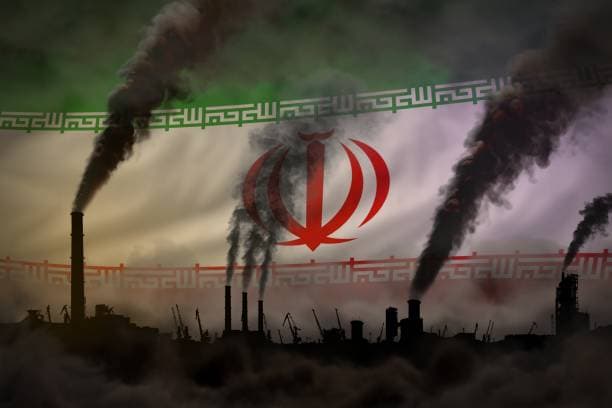
In 2026, Iran’s petrochemical industry suffered a catastrophic 85% loss of production capacity due to sanctions and internal conflicts. The collapse threatens global methanol supply, disrupts Middle East petrochemicals, and forces exporters to seek new markets. Read on for a deep dive into reconstruction challenges and supply chain implications.
We're committed to your privacy. Tradeasia uses the information you provide to us to contact you about our relevant content, products, and services. For more information, check out our privacy policy.