
A narrow procurement window has opened for companies sourcing modified starch into the European market. With the EU REACH Omnibus package progressing through the legislative process and another ECHA SVHC candidate list update expected during July and August 2026, procurement teams have an opportunity to strengthen compliance before additional regulatory scrutiny reaches the supply chain.
European food manufacturers that rely on modified starch from Thai tapioca processors and Chinese corn starch producers should begin supplier reviews immediately. The combination of evolving compliance expectations and improving freight conditions creates a practical moment to verify documentation, reassess supplier risk and prepare contingency sourcing strategies before the third quarter advances.
Understanding Modified Starch in European Supply Chains
Modified starch refers to starch that has undergone physical, enzymatic or chemical treatment to improve its functional properties. Manufacturers select different modification methods to improve stability, viscosity, temperature resistance or processing performance depending on the intended application.
Across Europe, modified starch supports production in several industries including:
Food manufacturing where it improves texture, moisture retention and shelf stability.
Food contact applications that require consistent processing performance.
Paper production where it enhances coating and strength.
Pharmaceutical manufacturing where it functions as a binder or excipient.
Industrial formulations requiring controlled viscosity or adhesion.
Because these products often enter regulated industries, buyers increasingly evaluate not only product quality but also supplier documentation, regulatory transparency and traceability.
Why the REACH Omnibus Timeline Matters
The EU REACH Omnibus package aims to simplify parts of chemical regulation while maintaining protection for human health and the environment. Although many modified starch products remain well established in European markets, certain starch ester substances continue to receive regulatory attention.
The expected July to August 2026 ECHA SVHC candidate list review may introduce additional substances that buyers must evaluate across their procurement portfolios.
Procurement managers should avoid assuming existing supplier documentation remains sufficient. Updated declarations may become necessary depending on the final regulatory outcome and individual product chemistry.
Supplier Documentation Should Become the Immediate Priority
Many European buyers have traditionally focused on pricing, delivery performance and product consistency. During Q3 2026, documentation deserves equal attention.
Companies should request updated compliance packages that include:
Current REACH registration information where applicable and confirmation that supplied products meet relevant regulatory obligations.
Updated SVHC declarations covering the latest candidate list assessments.
Technical specifications that clearly identify modification chemistry and intended applications.
Certificates supporting food contact or food additive use where required by customers.
Recent safety documentation with revision dates reflecting current regulatory expectations.
A supplier that cannot provide complete documentation within 30 days deserves closer review. Procurement teams should begin qualifying alternative suppliers before compliance gaps affect production schedules.
Thai Tapioca and Chinese Corn Suppliers Face Different Challenges
Thailand and China remain among the most significant production hubs for modified starch serving international markets. Although both regions supply high quality products, procurement risks differ.
Thai tapioca producers generally benefit from strong agricultural feedstock availability and long experience supplying global food manufacturers. Their primary challenge often involves maintaining documentation that satisfies changing European regulatory expectations.
Chinese corn starch producers continue to expand production capacity and product diversity. Buyers may find highly competitive pricing, yet documentation quality can vary between manufacturers. Thorough qualification remains essential before long term purchasing commitments.
Supplier selection should balance price, documentation quality and responsiveness rather than focusing on cost alone.
Freight Conditions Support Procurement Reviews
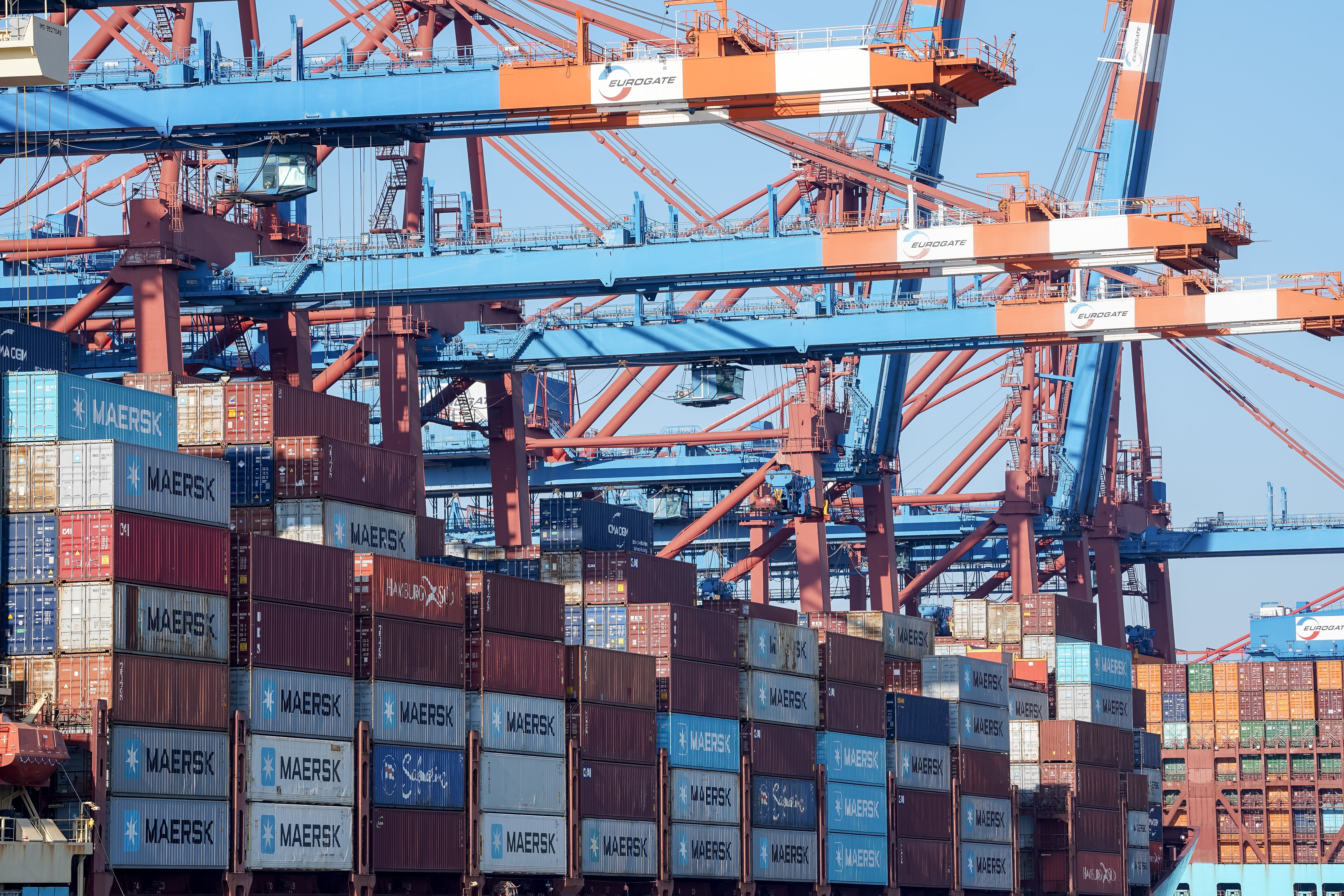
Unlike previous years marked by severe logistics disruption, freight markets have become more predictable across many Asia to Europe trade routes.
This creates several advantages for procurement teams:
Buyers can evaluate alternative suppliers without facing the same transportation uncertainty experienced during earlier supply chain disruptions.
Improved shipping availability allows companies to test new suppliers before committing to larger annual contracts.
Better logistics visibility supports inventory planning during regulatory transition periods.
Lower freight pressure creates additional flexibility for supplier diversification.
While freight costs remain an important component of total landed cost, compliance risks may now represent the larger commercial concern.
Compliance Risks Extend Beyond Documentation
Regulatory compliance affects much more than customs clearance. A missing declaration or outdated registration can disrupt downstream manufacturing, customer approvals and commercial relationships.
Potential business impacts include:
Delayed product approvals for food manufacturers.
Additional customer audits.
Temporary suspension of supply contracts.
Increased laboratory testing requirements.
Higher administrative costs during qualification.
Companies that address these issues before regulatory deadlines generally avoid more expensive corrective actions later.
Building a Stronger Supplier Qualification Process
Supplier qualification should become an ongoing process instead of a one time purchasing exercise.
Leading procurement organizations increasingly evaluate suppliers across several dimensions:
Regulatory responsiveness during documentation requests.
Speed of communication.
Technical expertise regarding product applications.
Manufacturing consistency.
Ability to support future regulatory updates.
Supply chain transparency from raw material sourcing through export.
This broader assessment creates greater resilience if future REACH amendments introduce additional reporting or compliance obligations.
Market Outlook for Modified Starch Through 2027
Demand for modified starch continues to grow across food processing, pharmaceuticals, packaging and specialty industrial applications. Consumer preference for convenience foods, sustainable packaging and higher performance ingredients supports long term market expansion.
At the same time, regulatory oversight will likely become more sophisticated rather than less demanding.
Several trends deserve attention:
Greater emphasis on transparent chemical disclosure.
Increased customer requests for sustainability information.
More detailed supplier audits.
Digital documentation management across procurement systems.
Continued investment in specialty modified starch technologies.
Companies that establish strong supplier relationships today will likely adapt more efficiently as future regulatory requirements evolve.
What Buyers Should Do Now
The current procurement environment offers an opportunity to strengthen both compliance and supply security before the expected Q3 regulatory developments.
Priority actions include:
Contact every modified starch supplier this week with updated REACH compliance requests.
Request current SVHC declarations and verify document revision dates.
Confirm applicable REACH registration information for supplied products.
Flag suppliers unable to provide complete documentation within 30 days.
Begin qualifying secondary suppliers before they become urgently needed.
Review purchasing contracts to ensure regulatory responsibilities remain clearly defined.
Regulatory developments rarely occur in isolation. Companies that combine proactive compliance management with diversified sourcing strategies place themselves in a stronger commercial position regardless of future legislative outcomes.
Ready to source modified starch from verified global suppliers? Explore competitive offers on our platform today.
Maize (Corn) Starch CAS: 9005-25-8