

Related Insights
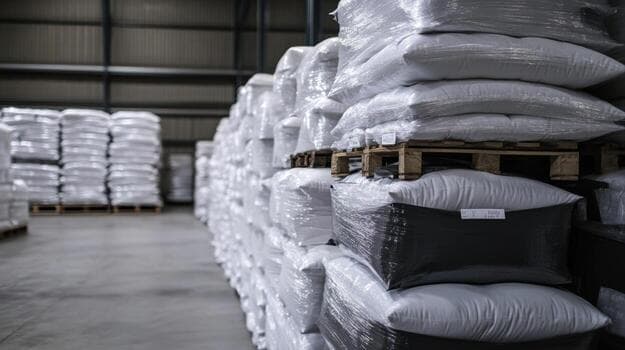
China's Export Timing Strategy: How Phosphate Restrictions Are Reshaping Global Fertilizer Trade
China's decision to delay phosphate exports until August, following earlier urea export restrictions, is influencing global fertilizer markets without formal trade bans. Procurement professionals should understand how export timing has become an increasingly important factor in supply chain planning.

UAN Demand Surges in Europe as Subsidy Rules Shift Buyers Away from NPK
Europe’s fertilizer market is witnessing a sharp rise in UAN fertilizer demand as new subsidy policies redirect growers from traditional NPK blends. This shift is reshaping procurement strategies and regional supply chains, with significant implications for agricultural chemicals. The article explores the drivers, impacts, and future outlook for UAN in the continent.

Nordic Tall Oil: A Hormuz‑Independent Renewable Feedstock for the Chemical Industry
Tall oil, extracted from kraft pulp production in Scandinavia, offers a renewable, Hormuz‑free source of fatty acids and rosin. Its versatility fuels coatings, adhesives, inks and specialty chemicals, bolstering supply chain resilience across the Nordic chemical sector.
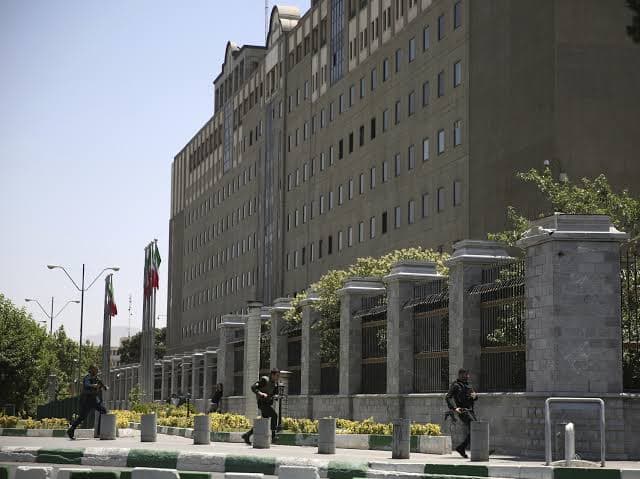
Iran Country Watch: The Internal Contradiction Between Diplomacy, Security and Parliament
Iran enters H2 2026 presenting three distinct institutional positions on diplomacy, maritime security and international engagement. For chemical buyers, understanding these competing policy signals is becoming as important as monitoring production capacity or sanctions compliance.
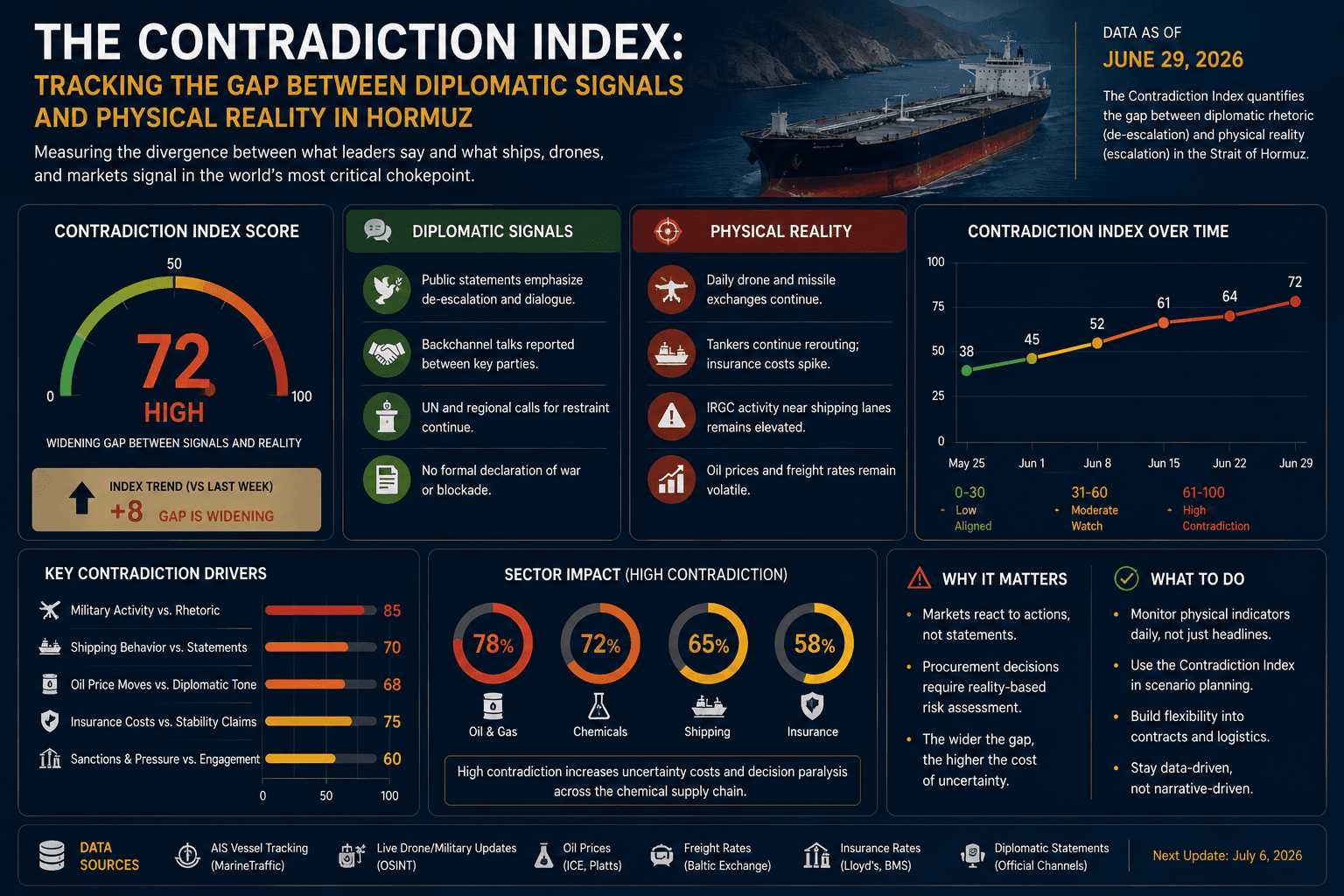
The Contradiction Index: Tracking the Gap Between Diplomatic Signals and Physical Reality in Hormuz
July 1 reveals the biggest contradiction of the Hormuz crisis so far: diplomacy suggests progress, but physical shipping data shows continued disruption. For chemical procurement professionals, understanding the gap between political signals and operational reality has become essential for making correct supply chain decisions.

Force Majeure Wind-Down in H1 2026: Legal and Commercial Reset for Chemical Supply Contracts
Force majeure declarations triggered by the Hormuz crisis are now entering a structured wind-down phase across chemical supply chains. Procurement and legal teams must formalise documentation to avoid pricing disputes, liability gaps and contract ambiguity in H2 2026.
Don't miss out on our updates! Subscribe to our newsletter now
We're committed to your privacy. Tradeasia uses the information you provide to us to contact you about our relevant content, products, and services. For more information, check out our privacy policy.