
Ammonium Bicarbonate (E503(ii)) CAS: 1066-33-7
Ammonium Bicarbonate (E503(ii)) CAS: 1066-33-7
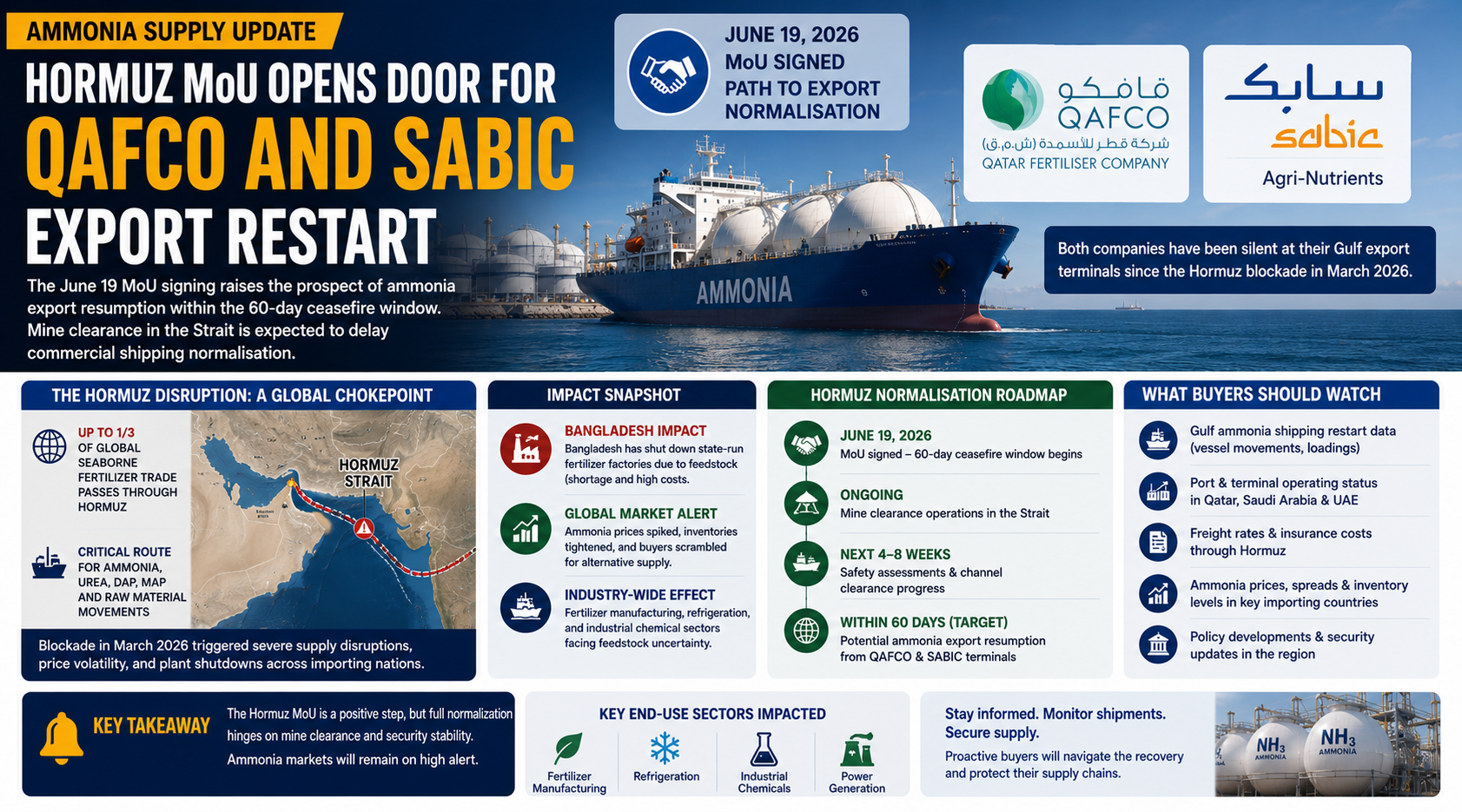
Thailand's emergency fuel export ban highlighted how government intervention can rapidly disrupt downstream chemical supply chains. Procurement teams that rely on Thai petrochemical exports can use this case to strengthen sourcing strategies and reduce exposure to sudden market shocks.

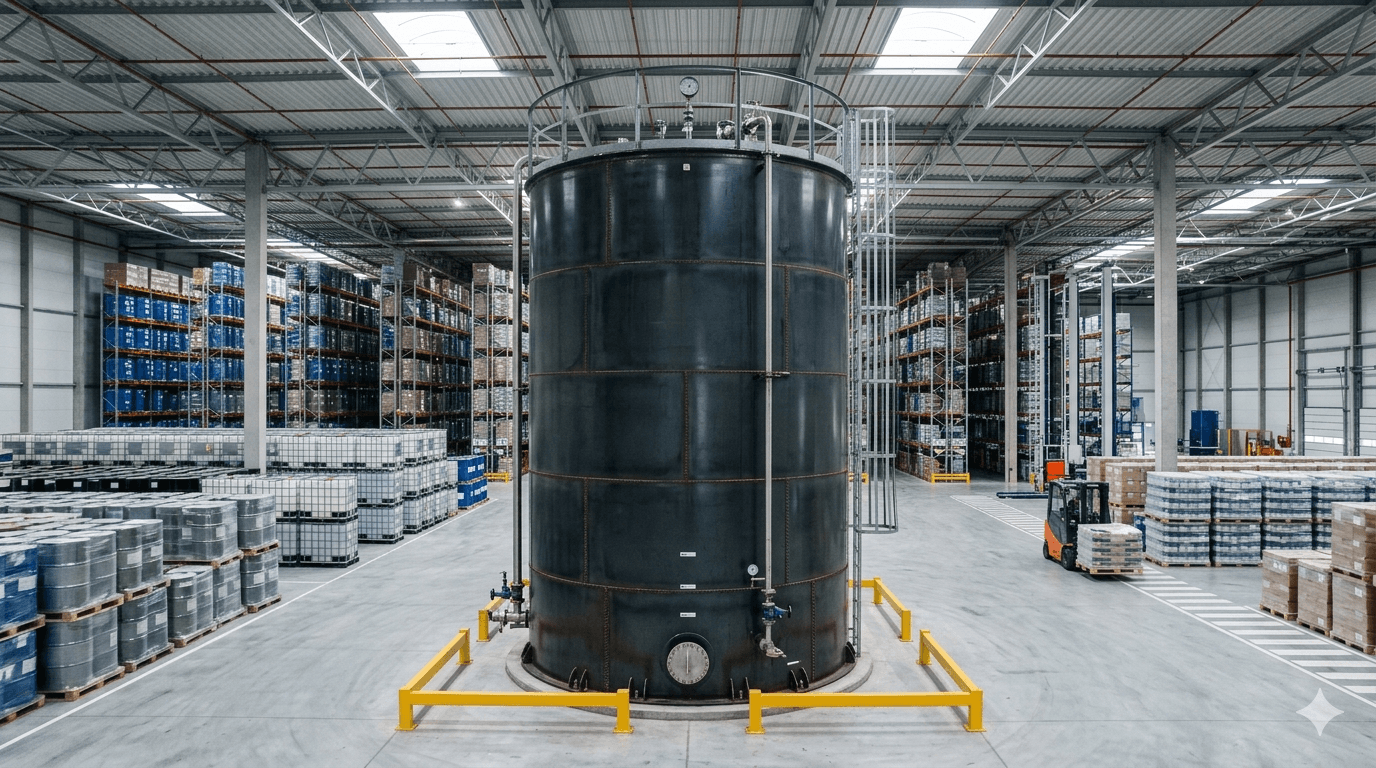
Venator Materials’ looming debt restructuring could reduce European TiO2 output, tightening supply for coatings, plastics, and paper. With Gulf feedstock constraints and high shipping costs, the industry faces higher lead times and costs. Buyers must now assess supplier stability as a core procurement factor.
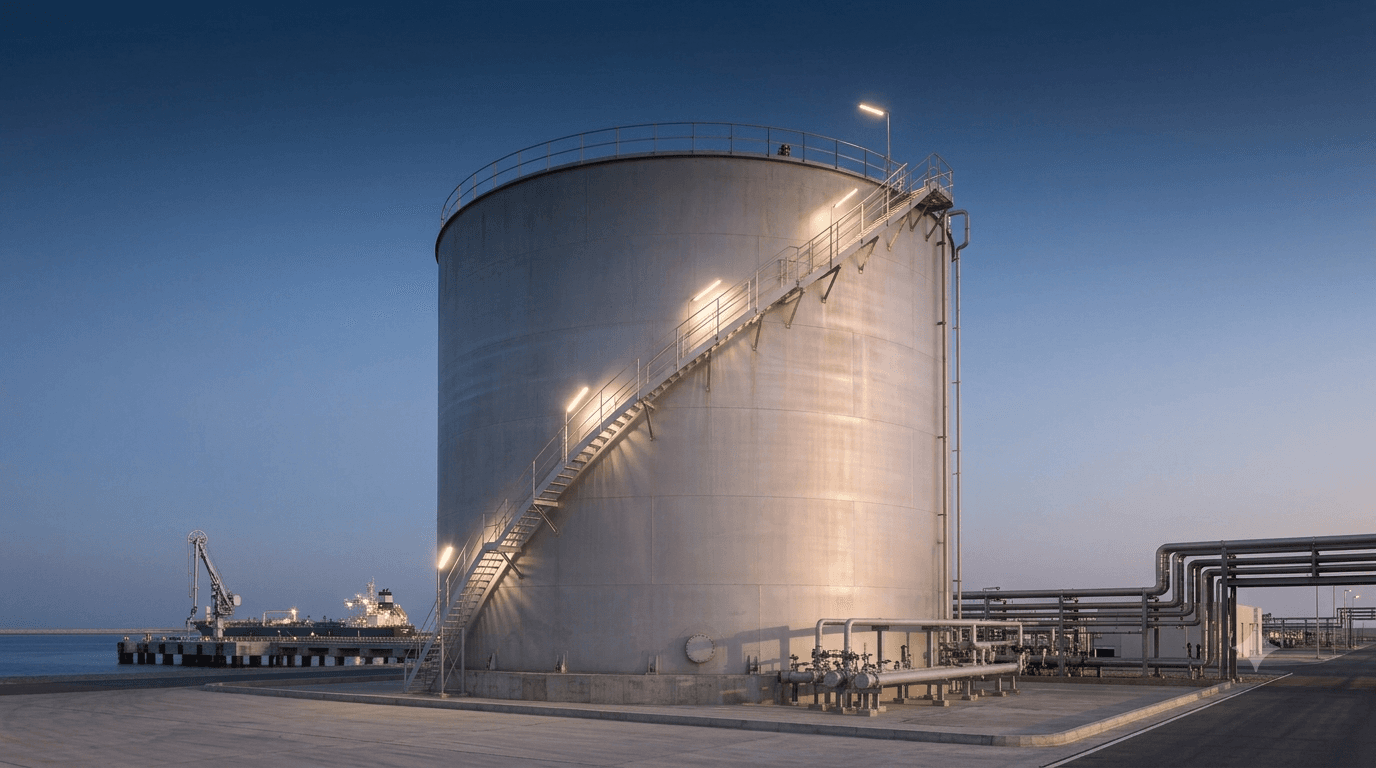
Brent crude price stability at $74.06 is giving chemical buyers a temporary reference point for Q3 contract planning. Procurement teams are watching energy markets closely as Gulf supply risks continue to influence commodity chemical pricing.

The record 16 million barrel Strait of Hormuz transit on June 21, 2026 has created a new market signal for petrochemical buyers watching supply recovery timelines. This analysis explains when MEG, PTA, methanol and polymer feedstock availability could improve across major import markets.

Food ingredient buyers continue to face elevated costs as Gulf supply chains recover from the Hormuz crisis and freight disruptions.
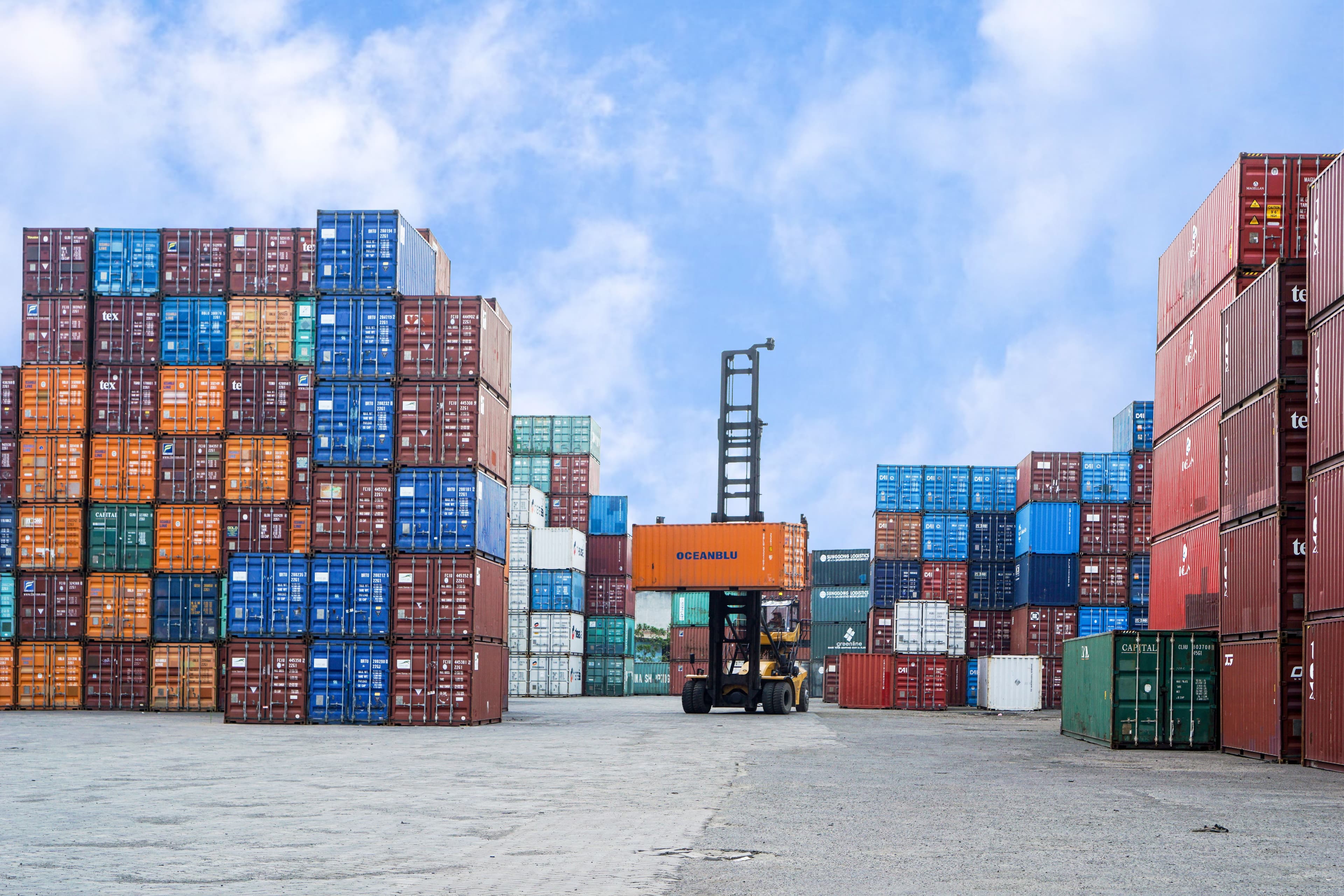
China’s tightening export controls on herbicides and pesticides have triggered a ripple effect across the global agrochemical market. Producers and buyers are now diversifying sourcing strategies and bolstering inventory buffers to navigate emerging supply risks and ensure crop protection continuity.
We're committed to your privacy. Tradeasia uses the information you provide to us to contact you about our relevant content, products, and services. For more information, check out our privacy policy.