
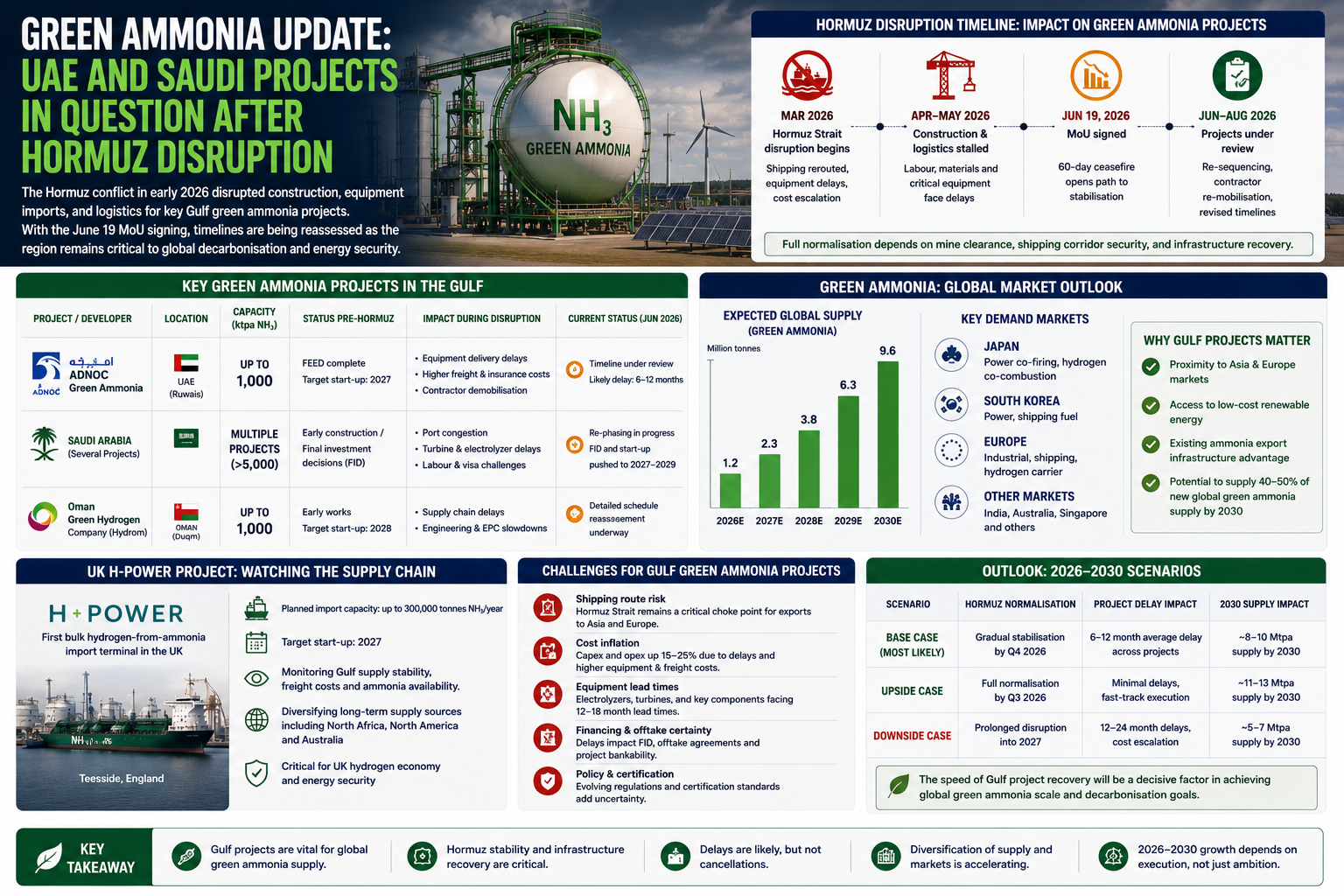
Ammonia Anhydrous CAS: 7664-41-7
Ammonia Anhydrous CAS: 7664-41-7
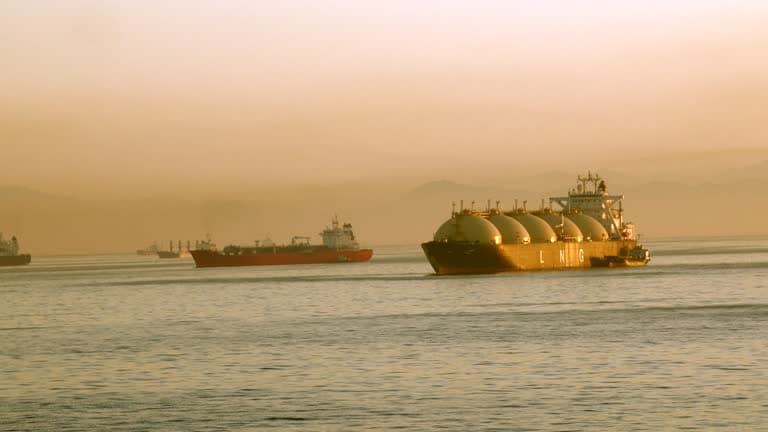
Insurance withdrawals can halt shipping through the Strait of Hormuz faster than any physical blockade. When insurers pull war‑risk coverage, tanker and chemical cargoes face costly delays, forcing operators to seek alternative routes or pay premium rates.
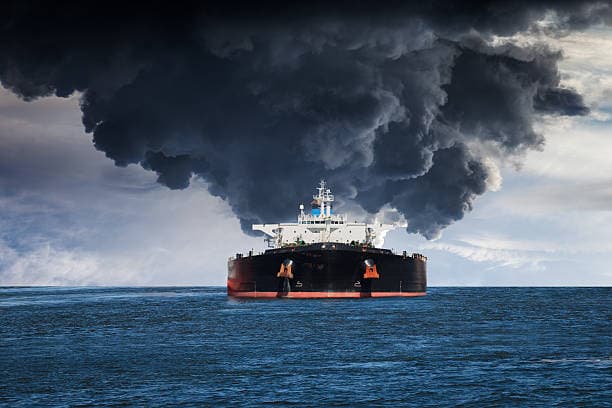
The March 18 fire on the Parimal tanker and the May 7 strike on JV Innovation mark a turning point for specialty chemical shipping. These attacks show that vessel nationality no longer shields operators from conflict‑related threats. Chemical logistics planners must now factor Gulf of Oman routes into their risk assessments.
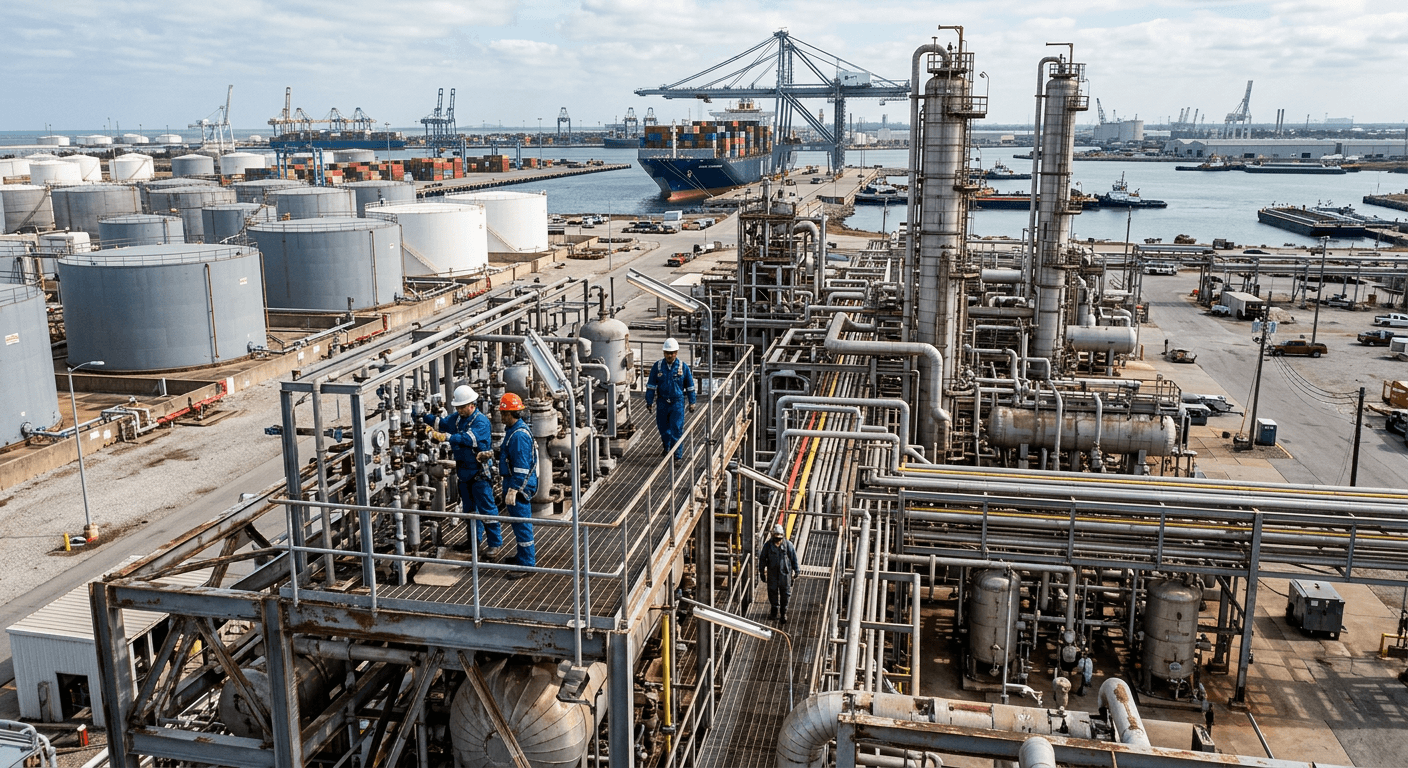
Doha Talks Today has become a key market signal for chemical buyers watching Gulf trade routes, energy flows and supply stability. This venue shift may influence procurement decisions as traders assess risks across major chemical exporting regions.
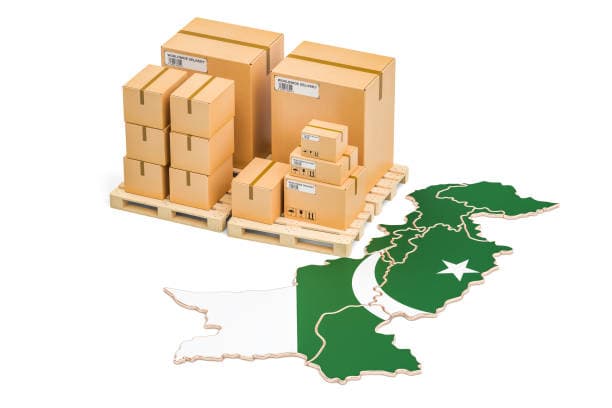
Pakistan’s domestic DAP stock is falling faster than the crop cycle can absorb, forcing the country to look overseas for phosphate sources. By Q3 2026, market analysts predict a surge in imports to meet the growing demand. This article breaks down the key drivers and implications for the fertilizer sector.
The sulfuric acid market is expected to see changing supply conditions as Middle East sulfur availability improves after Hormuz disruptions. Fertilizer and mining buyers should monitor sulfur recovery, energy trends and pricing movements through H2 2026.
Morocco’s OCP Group has become the most important phosphate fertilizer supplier in 2026 as Hormuz disruptions restrict Gulf exports. Buyers are increasingly treating OCP pricing as the new short-term benchmark for global phosphate markets.
We're committed to your privacy. Tradeasia uses the information you provide to us to contact you about our relevant content, products, and services. For more information, check out our privacy policy.