Introduction
Encapsulated citric acid is moving beyond a specialty ingredient into mainstream food systems. By protecting the acid during processing and releasing it only when needed, manufacturers can fine‑tune flavor, acidity, and preservation in a wide range of products.
Why Encapsulation Matters
Traditional citric acid is highly soluble and volatile. When added directly to dough, dairy, or confectionery, it can cause uneven flavor distribution, accelerated Maillard browning, and undesirable texture changes. Encapsulation masks these effects, delivering the acid in a controlled manner that aligns with each product’s critical processing stages.
Controlled Release Acidulants
Controlled release acidulants are designed to release their active ingredient over time or in response to specific triggers—temperature, pH, or moisture. Encapsulated citric acid achieves precise acid release, which improves:
Flavor stability by preventing early acidification that can lead to off‑notes.
Texture control in baked goods, where acidity affects gluten development.
Preservation in dairy and meat products by maintaining a target pH without over‑acidifying during storage.
Key Encapsulation Technologies
Spray Drying Encapsulation

Spray drying encapsulation converts liquid citric acid into a fine powder by atomizing the solution into a hot drying chamber. The resulting micro‑capsules contain a protective shell—often maltodextrin or modified starch—that shields the acid during handling and storage. Advantages include:
High throughput suitable for large‑scale production.
Low moisture content which reduces spoilage risk.
Compatibility with existing powder blending lines.
Fluidized Bed Encapsulation
Fluidized bed encapsulation uses a fluidizing air stream to coat citric acid particles with a polymeric shell. This technique allows for precise control over particle size and shell thickness, which directly influences release kinetics. Key benefits are:
Customizable release profiles by adjusting coating materials.
Improved **thermal stability**, making it suitable for high‑temperature applications such as baking.
Efficient use of encapsulating excipients resulting in lower overall ingredient costs.
Applications Across Food Segments
Bakery – Encapsulated citric acid moderates dough acidity, enhancing yeast activity and crumb softness while preventing premature browning of crusts.
Dairy – Controlled release acidulants maintain product pH during storage, extending shelf life of yogurts, cheeses, and flavored milks without compromising micro‑flora.
Meat – In cured meats, encapsulated citric acid ensures a consistent acid environment that suppresses spoilage bacteria while preserving flavor.
Confectionery – The technology protects phospholipids and chocolate’s fat structure, delivering acid at the moment of melting for a balanced sweetness and tartness.

Market Dynamics
The citric acid market is projected to surge as food manufacturers seek ingredients that offer both functionality and regulatory compliance. Encapsulated citric acid is positioned as a premium additive, with a CAGR of 7–9% expected over the next decade. Key drivers include:
Demand for clean label solutions that reduce additive quantity.
Regulatory pressure to limit free acidity in certain products.
Increasing consumer preference for natural flavor enhancers.
Technological advancements in encapsulation that lower production costs.
Challenges and Outlook
Despite its advantages, encapsulated citric acid faces hurdles such as higher upfront costs and the need for specialized equipment. However, the long‑term benefits—reduced waste, extended shelf life, and consistent product quality—offset these challenges. Future research is focusing on biodegradable encapsulating materials and smart release triggers that respond to real‑time product conditions.
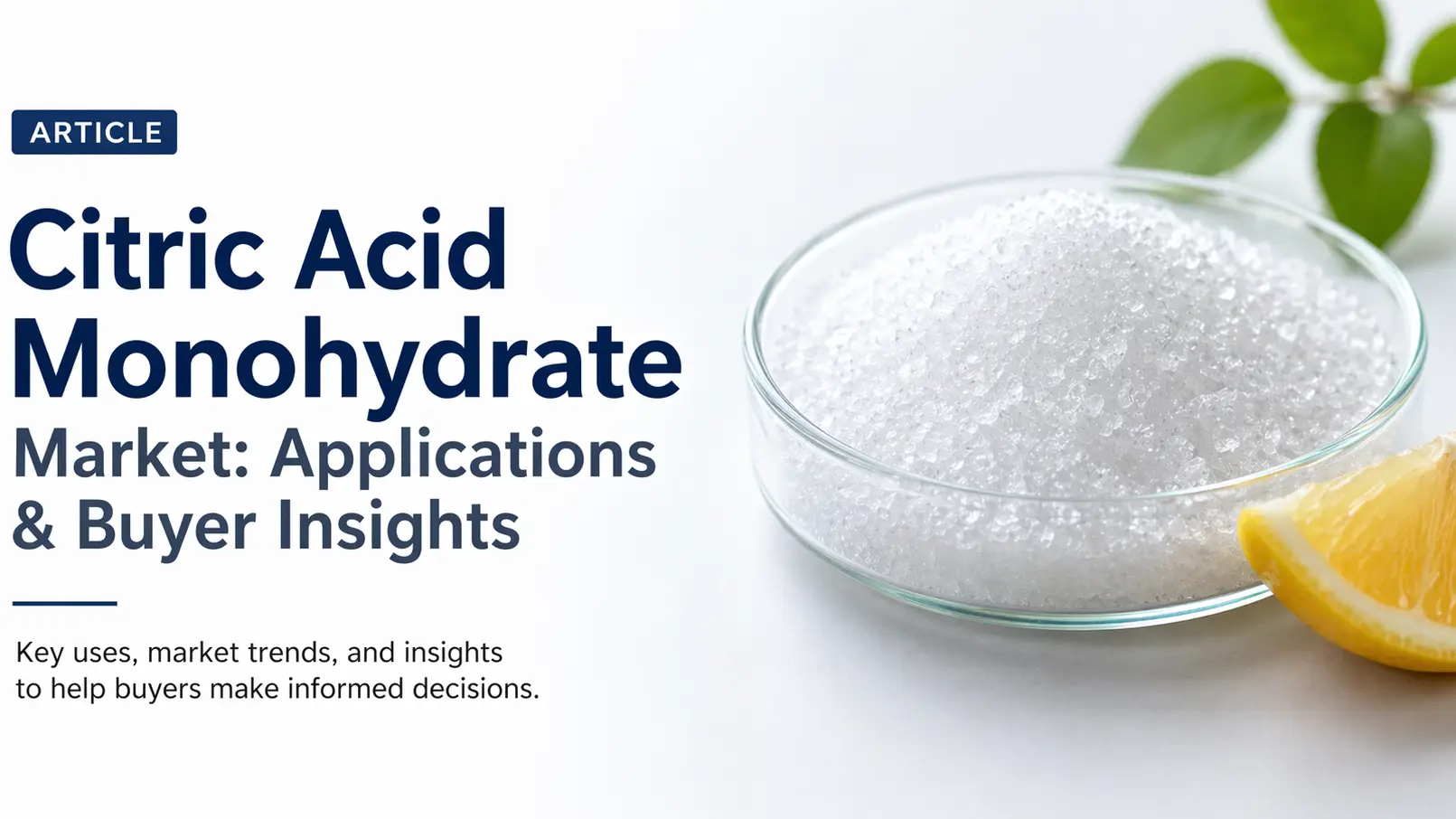
Citric Acid Anhydrous (E330) CAS: 77-92-9
Citric Acid Monohydrate (E330) CAS: 5949-29-1